
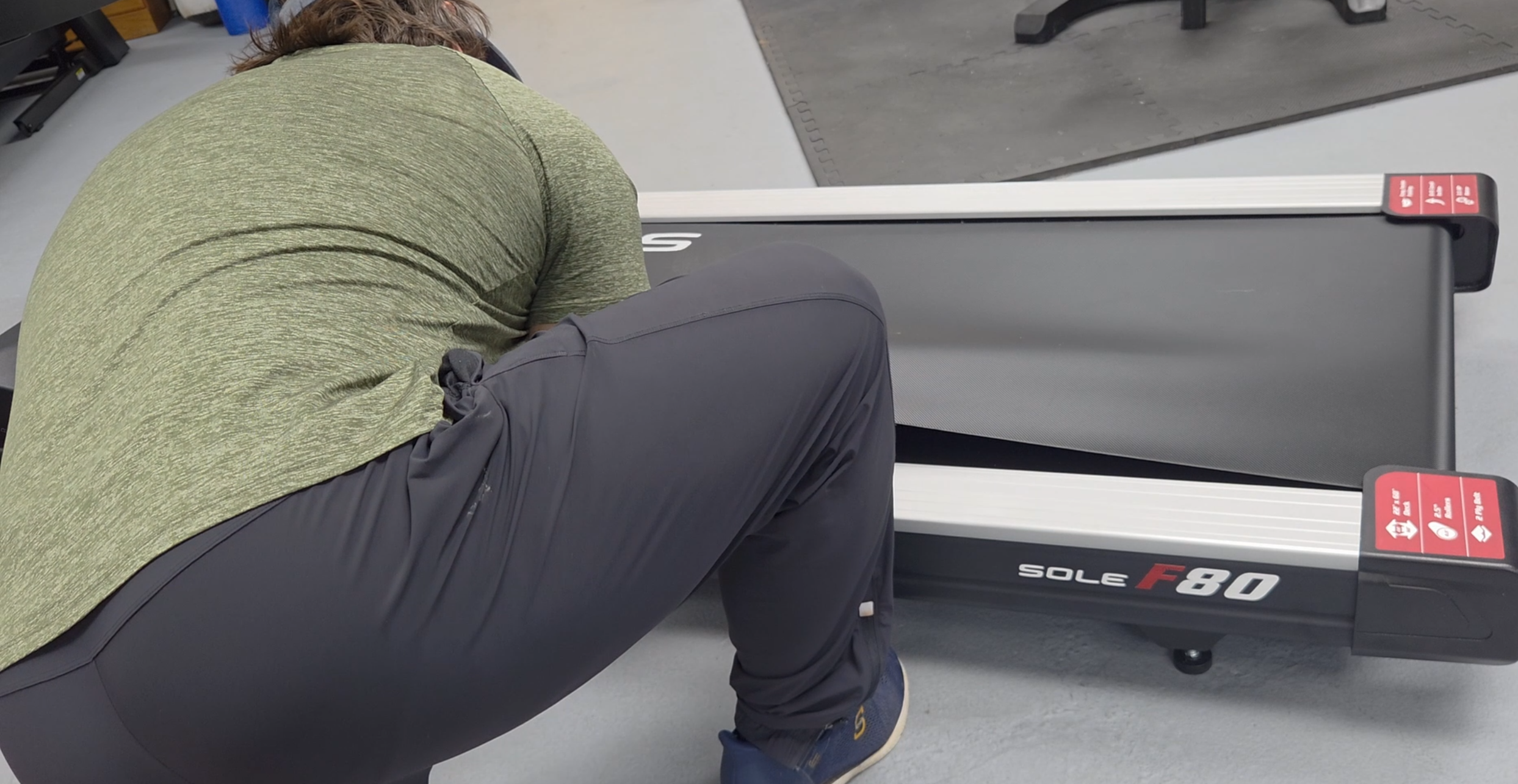
Why Proper Treadmill Deck Lubrication Matters
Skipping treadmill lubrication is the single most common cause of premature motor and control board failure. Sole fitness equipment is engineered for heavy-duty residential and light commercial use, but friction between the walking belt and the deck forces the drive motor to draw excess electrical current. That extra strain generates intense heat, degrading sensitive electronics and wearing down the belt backing over time. A 10-minute lubrication session on the right schedule can add years to your machine’s life.
Whether you train on a Sole F63, F80, F85, or TT8, regular deck maintenance keeps your machine quiet, smooth, and operating within factory specifications.
Recommended Sole Treadmill Lubrication Schedule
How often you should apply silicone depends on your training volume. Use the following maintenance schedule as your baseline:
| Usage Level | Definition | Lubrication Interval |
|---|---|---|
| Light Use | 1 to 2 workout sessions per week | Every 6 months |
| Regular Use | 3 to 5 workout sessions per week | Every 3 months or every 40 to 50 hours of operation |
| Heavy / Multi-User | Daily training or multiple users in the household | Every 30 to 45 days (inspect monthly) |
The 60-Second Dry Deck Touch Test
If you are unsure when the deck was last serviced, do not guess. Perform a manual touch test:
- Turn off the main power switch at the base and unplug the treadmill from the wall outlet.
- Reach under the walking belt and touch the top surface of the wooden running deck in the center area where your feet land during exercise.
- If the deck feels slick and slightly oily: Lubrication levels are adequate. No action is required.
- If the deck feels dry, rough, or tacky: Apply silicone lubricant immediately, regardless of what the calendar says.
Choosing the Right Lubricant (And What to Avoid)
Use only 100% silicone lubricant formulated specifically for treadmill decks. Authentic Sole Fitness OEM silicone lubricant meets factory viscosity standards and provides a durable, non-petroleum barrier between the belt backing and the phenolic deck surface.
Never apply the following products to your treadmill:
- WD-40 or penetrating sprays: These contain petroleum distillates that dissolve synthetic belt fibers and strip deck coatings.
- 3-In-One oil or standard machine oil: Heavy petroleum oils attract dust, turn gummy under heat, and dramatically increase drag on the motor.
- Aerosol silicone sprays with solvent propellants: Solvents break down belt glues and weaken the belt seam.
- Automotive grease or cooking oils: These gum up rollers and permanently damage walking belts.
Understanding White Powder Under the Belt
During routine cleaning, you might notice a fine white powder accumulating along the side rails or near the rear roller. This is normal. It is factory friction-reduction coating and belt material settling during break-in. Simply wipe the powder away with a clean, dry microfiber cloth. Do not apply liquid cleaners, degreasers, or solvents to the deck, as they strip the protective factory coating.
Step-by-Step Guide: How to Lubricate Your Sole Treadmill
Servicing your treadmill requires only an authorized single 1 oz bottle of silicone lubricant and the 6mm Allen wrench included with your machine.
Phase 1: Preparation and Safety
- Turn the power switch off and unplug the power cord from the wall outlet to prevent accidental startup.
- Remove the magnetic safety key from the console.
- Wipe down the exposed surface of the deck and frame side rails to clear loose dirt and dust before loosening the belt.
Phase 2: Loosening the Walking Belt
- Locate the two rear roller adjustment bolts at the back of the deck, positioned inside the rear end caps on the left and right sides.
- Insert your 6mm Allen wrench into the left rear roller bolt. Turn the bolt counterclockwise 8 to 10 full, 360-degree rotations. Keep an exact count of the turns.
- Insert the Allen wrench into the right rear roller bolt. Turn the bolt counterclockwise the exact same number of turns (8 to 10 full rotations) to keep the roller properly aligned.
- Lift the edge of the walking belt near the center of the running deck. You should be able to lift the belt approximately 3 to 4 inches above the deck surface.
Phase 3: Applying the Silicone Lubricant
- Prepare your 1 oz lubricant bottle. If using an applicator tube, secure it firmly to the bottle nozzle.
- Lift the belt on the left side of the machine. Position the nozzle at the center of the deck where your feet land during exercise.
- Apply half of the bottle (approximately 0.5 oz) in a steady “N” or zigzag pattern across the deck board surface, moving from the center outward. Avoid the extreme side edges to prevent lubricant from reaching the frame, side rails, or the running surface of the belt.
- Move to the right side of the treadmill. Lift the belt and apply the remaining 0.5 oz of silicone in the same zigzag pattern on the opposite half of the deck.
- Do not apply silicone directly to the top walking surface of the belt or onto the drive rollers.
Phase 4: Re-Tensioning and Walk-In Distribution
- Tighten the rear roller bolts by turning your Allen wrench clockwise. Turn both the left and right bolts the exact number of rotations you removed in Phase 2 (8 to 10 full turns).
- Plug the power cord back into the wall outlet and switch the machine on. Insert the safety key into the console.
- Start the treadmill without anyone standing on it. Set the speed to 2 to 3 mph and let the machine run unloaded for 2 minutes to initiate silicone transfer across the belt backing.
- Step onto the running deck and walk at low speed so your body weight distributes the lubricant evenly across the walking belt backing and deck surface.
- Check the outer belt edges. If any small drops of lubricant seeped out, wipe them immediately with a clean, dry cloth to prevent slipping hazards.
Troubleshooting Belt Behavior After Maintenance
Belt Hesitation vs. Belt Slipping
Distinguish between belt hesitation caused by friction and belt slipping caused by low tension:
- Hesitation (Friction Issue): If the walking belt slows down or stutters momentarily under the impact of your footfall, the motor is struggling against high friction. Lubricating the deck resolves this hesitation.
- Slipping (Tension Issue): If the front drive roller continues spinning freely while the belt stops moving underfoot, belt tension is too loose. Tighten both rear roller bolts clockwise by 1/4 turn increments until slipping stops.
If your machine continues to slip after re-tensioning, review our diagnostic guide on diagnosing and fixing Sole treadmill belt slipping.
Correcting Belt Tracking and Alignment
If the belt drifts toward one side while running, the rear roller needs alignment:
- Run the treadmill unloaded at 3 mph.
- Observe which side the belt moves toward.
- If the belt drifts to the left: Turn the left rear roller bolt 1/4 turn clockwise to tighten it, or turn the right bolt 1/4 turn counterclockwise.
- If the belt drifts to the right: Turn the right rear roller bolt 1/4 turn clockwise to tighten it, or turn the left bolt 1/4 turn counterclockwise.
- Allow the belt to run for 30 seconds after each adjustment to track into its new position before making further turns.
Order Genuine Maintenance Supplies
Routine belt care takes about 10 minutes and can add years to your machine’s life. All domestic orders ship within 24 to 36 hours (orders do not ship on weekends or holidays). Local pickup is also available at our York, PA location seven days a week from 12 PM to 5 PM.
Order authentic Sole Fitness Treadmill/Elliptical Lubricant (1 Oz) or browse our replacement walking belts for Sole F63, F80, F85, and TT8 machines to keep your gym equipment running at factory specifications.